0
Shopping Basket $0.00
Cart is empty

history of miswak

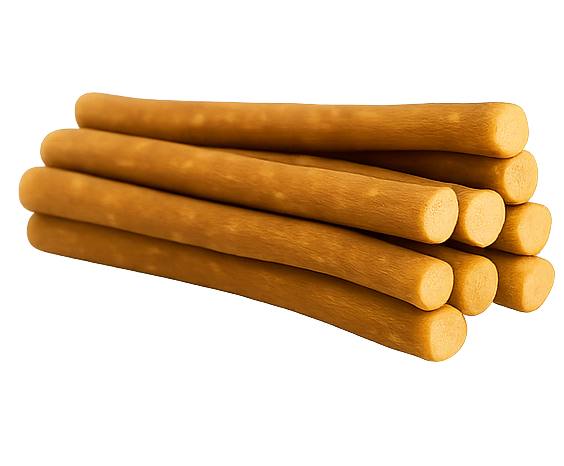
Miswak (also known as Siwak) is not just a twig — it’s a natural oral care tradition that has stood the test of time. Used for over 7,000 years, it predates modern toothbrushes by millennia.

Ancient civilizations — from the Babylonians, Greeks, and Romans, to the Egyptians and even Chinese dynasties — used chewing sticks for dental hygiene. But among all, it was the Islamic civilization that gave miswak its highest place of honor.

The use of miswak became widespread during the Islamic Golden Age, as Prophet Muhammad ﷺ used it regularly and encouraged his followers to do the same. It was more than hygiene — it was Sunnah, a noble practice deeply rooted in spiritual and physical wellness.

“If I had not found it hard for my followers, I would have ordered them to use the miswak before every prayer.”
 — Sahih al-Bukhari

Miswak was not just used by Prophet Muhammad ﷺ — it’s also said to have been a practice of the Prophets who came before him:
“Four things are among the practices of the Prophets: circumcision, applying perfume, using miswak, and marriage.” — Ahmad & Tirmidhi
🌿 What Makes Miswak So Unique? Miswak is traditionally made from the Salvadora persica tree, also called the Arak tree, native to the Middle East, Africa, and parts of South Asia. This tree produces twigs with natural antibacterial and antifungal properties. No chemicals. No plastic. Just a stick that does it all — naturally.

Even though in today’s world, putting a twig in your mouth might raise eyebrows, millions of Muslims around the world have used it daily for generations — not just for its spiritual reward, but for health benefits that science is now catching up with.

Scientific studies — including research from King Saud University, Swedish dental journals, and even companies like Wrigley — have confirmed that miswak can outperform traditional toothbrushes in many aspects of oral hygiene.

Beyond the Mouth

Islamic literature lists over 70 benefits of miswak — from improving memory and curing headaches, to assisting digestion and enhancing taste. And the biggest benefit?

Using miswak earns the pleasure of Allah and can multiply the reward of prayers by 70 times when used before Salah.
So although it may look like just a twig, Miswak is a legacy — one that combines faith, nature, and science. And now, with a growing movement toward eco-friendly living, it’s making a strong comeback in the modern world.

🛍️ At Sultanas.Store, we bring you this tradition in its purest form — handpicked, natural, and ready to refresh your smile and soul.
Shopping Basket